
A year ago, I wrote about the then current debate on ‘Responsible AI‘
The idea was that AI should not exhibit the same prejudices & biases of human counterparts.
AI would only be used for ethical & wholesome purposes.
This is impossible of course, give that the models are trained on data containing such undesirable traits. The AI is also applied by humans who may not have necessary scruples.
I argued we should be far more concerned about AI use with malign intent- such as by criminals & terrorists.
Rogue AI
The conversation has now shifted to ‘Rogue AI’.
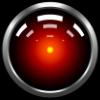
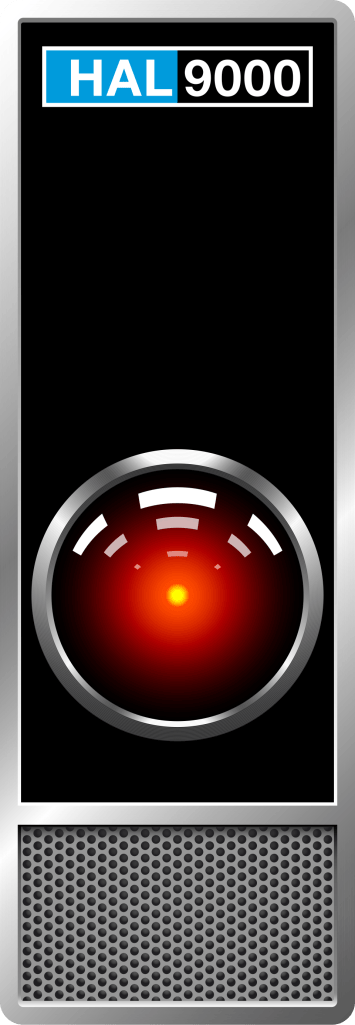
Like the Hal 9000 AI character in 2001: A Space Odyssey, the gist is that the robots are taking over. In this story, HAL is represented by a lens with a red dot and attempts to kill the human astronauts to save the mission. HAL delivers cold & deadly logic in dulcet tones.
The recent news about a ‘rogue AI agent infiltrating a government healthcare website‘ seems to be more inadvertent use of AI that thankfully identified a vulnerability. As I understand it, the objective of the work was not cybersecurity/penetration testing.
The answer is that these systems should be secured from both human or artificial infiltration & attacks. AI-based vulnerability checking might be part of the solution.
There have been various reactions, including calls for a ‘kill switch’ in any AI system, dire predictions of catastrophe and the need for regulation.
The AI did it
Despite the fine-print that accompanies any AI (such as Copilot’s previous ‘entertainment purposes only‘ or general ‘we ain’t responsible for anything‘ disclaimers), some interesting issues of legal liability in the use of AI are opening up.
For example, is is consequential that Meta’s Muse AI Agent can act rather than just answering questions.
I’m sure the Meta lawyers have have it well covered- but the obvious question is what happens if Muse signs me up for an expensive subscription I don’t want, or makes a blunder on my stock trading platform?
Arguments for a ‘kill switch’ on any AI system are simplistic and naive- the obvious result is that bad actors could disable critical systems.
I’m not changing
I’m maintaining my previous argument:
- regulation only helps when actors conform to regulation
- we need to be more concerned with those who don’t give a rats about regulation.
i.e terrorists, criminals, scammers - the biggest threat is not inadvertent ‘rogue AI’ getting out of control, or that AI is not ‘responsible’
- We should be focussed on more important and potentially catastrophic issues.
This means controlling who can access these technologies and how and where it can be applied


You must be logged in to post a comment.